The story of a remarkable mito warrior and how her incredible legacy came to be [15 minutes read time].
The princess was a warrior from the moment she was born in October 2017. As soon as she was born the odds were stacked against her. A difficult birth had meant the newborn princess didn’t take her first breath until 4 and half minutes in the big wide world. She needed intensive care and a lot of intervention to reverse any potential risks from the initial lack of essential oxygen. During this time, the princess was strong and fought with all her might and at 8 days old she was feeding well from her tired mum and able to go home with her family. During her stay in hospital, an image of the princess’ brain had been taken to understand any lasting effects from the lack of life-sustaining oxygen. The image showed possible issues with movement that would need to be checked over the coming months.
Bringing the princess home to where she belonged, in her safe, warm home with her family was a lovely and cosy time. It was fun to introduce her to the older princess, who was a little bit in awe of her little sister but also wary that she no longer had the full attention of their parents.
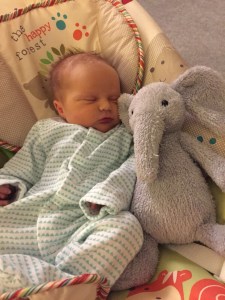
It soon became clear, however, that as well as being a fighter, the warrior princess was also a little bit of a diva. Lots of things could make her cry but she got especially upset when she was lying down – making sleep very difficult! There were some minor concerns in the early days that her weight gain wasn’t as quick as expected but the main issue was her feeding. Each feed would be seen again too quickly and each attempt to try and make feeding more comfortable ended in failure. The princess was diagnosed with bad reflux and, later, a cows’ milk allergy and given special high calorie medicated milk to improve her feeding tolerance. But, she would still go through bouts where she would drink less and keep less down.
Christmas passed in a whirlwind of sleepless nights, family traditions and excitement – a time of pure happiness and warmth for the princess’ family. One fond memory includes looking at the Christmas lights of the nearby houses while the Warrior princess was dressed in an elf costume, sleeping soundly in her baby carrier.
The Early New Year brought more happy times as a family. The princess’ first neurology review came and went with no obvious issues except some minor muscle weakness in her neck and core. The princess felt more comfortable lying down and loved to kick her legs and coo and gurgle as any baby does. The two princesses would have fun kicking along to music or playing in the bath together. The youngest princess was never that interested in toys but she loved to face her mum and dad and chat away experimenting with the range of noises she could make. Feeding was always tough, however, and the princess never seemed to be full despite feeding for up to an hour at each feed. At one point the warrior princess experienced a nasty chest infection which was blamed for her bad feeding. Unfortunately, no one knew at that point that something more sinister was going on. The princess’ growth also started to slow down. She started eating purees and for a while she was in her element. She lapped up fruit and vegetable purees like they were the cream of the gods. Mushed peas were her favourite, and the look of delight on her face and the vigour in which she ate them and opened her mouth for more was a breath of fresh air. However, this story is a sad one and unfortunately, in only a few months the princess’ health would decline and this love for solid purees would be replaced with discomfort and disability.

In May 2018, feeding was getting even worse and the Warrior princess was now under the care of a feeding consultant, who recommended high calorie milks and homemade purees. After this, the princess didn’t cry much at all any more and she was finally sleeping for longer periods: the family thought she might be happier with the dietary changes. But worry started to creep in when the princess’ mum had to start waking her up for feeds.
Then there was the smiling thing. The princess didn’t seem to be smiling much for her age. It was weird as the mama was sure the princess had smiled before but now was almost doubting this was the case.
Then there was the bite!! When the princess was a little over 7 months old she was bitten so hard by another child it was close to drawing blood. The princess should have screamed at the bite, she should have cried huge fat tears, she should have at least made a facial expression to indicate the harsh pain and pull the foot that was being bit away in haste. But there was hardly any reaction at all. This was the first point when the tired mum’s world fell apart – this was when she knew there was something really not right with the princess’ health.
The bite happened on a Thursday night the day before the princess’ third physio session where she would be reviewed for further therapy. The family explained their concerns while a doctor checked the princess over and started to put together pieces of a puzzle in her head:
- puzzle piece 1 – muscle weakness,
- piece 2 – developmental delays,
- piece 3 – feeding issues,
- and the final piece – losing previous abilities (crying and smiling).
Once the pieces slotted together to show the whole picture a look of concern spread over the doctor’s face and within an hour the princess was having a series of blood tests and had been booked in for an urgent MRI scan on the Monday morning.
The blood tests were difficult – they were most difficult for the tired parents as they were so upset when the sharp needles caused little reaction from the princess. The day of the MRI was difficult as this hungry princess who needed high calorie formula had to have nil by mouth while she waited deep into the afternoon for the scan. The general anaesthetic from the scan had a strange effect for the princess and she took longer to come round than expected experiencing some breathing difficulties as she woke. The princess and her mum came home very late that night feeling very worn out.

Results from the tests showed high lactate levels and abnormalities on the brain scan. It was now known that the princess had a significant health issue that was affecting how her body could process energy. The family were told that the issue could be a metabolic disorder and there was likely to be no treatment. The tired mum and dad still didn’t know at this point what this really meant and the doctors also needed to determine a more concrete diagnosis through further testing. All the family knew was that the princess had stopped crying because she was too tired to do so. She was too tired to eat and too hungry to sleep. Her body didn’t have the energy to process her feeds and it was at this point that the princess stopped gaining weight.
Soon after the results the princess was in hospital again for a series of tests and consultations – urine samples, a lumbar puncture, checks of her heart and respiratory system, consultations with a dietician and a speech and language therapist and a meeting with a genetic counsellor who would test a sample of genes from her blood against her parents’ blood. The family were sent back home with a diet plan to try for a couple of weeks to try and increase the princess’ weight and told that a better picture of her condition (now known to be a mitochondrial disease of some type) would be given in 6-8 weeks.
During the two weeks between leaving the hospital and the dietician review the princess reduced her milk feeds even more and was also taking less of the purees that she had previously loved so much because her slowly diminishing head and muscle control made sitting up for a feed much less enjoyable. Turning up to the dietician appointment, her weary mum knew that the decision would be made to give the princess a feeding tube to help her feed. This was another turning point for the family as this was no longer a case of testing the princess for a diagnosis, but this was now the start of some intervention. A date was set for the princess to come back into the hospital the following week to be fitted with a feeding tube and for the mum to learn to feed her daughter at home. The week dragged on and on. The princess was drinking less and less and now in the heat of July the threat of dehydration was real – the feeding tube couldn’t be fitted quick enough.
During that week another scary thing happened. The princess had become extremely fitful as she fell asleep. One night, lying next to her mum in bed the normally still and weak princess kicked her legs ferociously, flinging her arms and flickered her eyes. Another stark reminder of the seriousness of her condition as her panicked mum spent the night watching over her. The next day was spent talking to GPs and consultants: the mum was told that the princess was not having seizures but signs of a movement disorder which were likely a part of her mitochondrial disorder.
The princess and her weary mama attended hospital early in July 2018 for the princess to be fitted with her nasogastric tube. Her mum was fighting to hold it together as she was still upset that the princess needed an intervention because according to doctors she was “failing to thrive”. It was traumatic to see her little warrior have the feeding tube put in especially when the princess had no idea what was to come and could not cry to show her discomfort. Nonetheless, it was successful and within a day she was taking in double the amount of food she had been having and even gaining some energy to take more of her bottle independently. The princess and her exhausted mama slept in a bay on a ward with 5 other sick children. In the night another child cried out in bad pain and woke the warrior princess up. She had always been empathetic and would get upset when others were distressed. That night, the warrior princess, worried by the child’s pain, cried! It wasn’t a typical cry you would hear from a baby but it was still a cry. She had done this cry every now and then over the preceding weeks whenever something had worried her and that’s one of the cruel things about mitochondrial disease. Abilities that are lost may come back but unfortunately it is likely to be temporary.
On Thursday the 5th July, after a day getting to grips with tube feeding in the hospital, the princess and her mum were visited by a doctor and geneticist who had some news about the princess’ diagnosis. They met in a separate room from the ward where the the blow was dealt.
The princess had Leigh Syndrome – a life-limiting, progressive and incurable neurodevelopmental, mitochondrial disease that meant that she could not process energy effectively. Her mum cannot remember much more of the meeting apart from how hard it was holding the baby princess whose head control was now so weak she could not be held comfortably. She kept a brave face in front of the doctors but once back to the hospital bay she broke down to the point she could not see through her tears – her main thought “how do I tell the princess’ dad?” A nurse came over and said that given the diagnosis we should go home and be with our family and carry on tube feeds at home. The bed was being kept open over the weekend should we need it and we would be back on Monday for a review and to discuss this new information with the doctors.
On the Monday we learnt that 99% of the princess’ mitochondrial were not functioning correctly. In other words only 1% of the mitochondria in the princess’ body was able to process the energy needed for the major organs and cells in her body to function. We needed to be very careful if she were to get any type of illness or new symptoms and bring her back into the hospital immediately. The barriers were set low for any medical concerns at this stage. The princess had inherited the disease from the mum’s mitochondrial DNA and 65% of the mum’s mitochondria was also affected. What this meant for the older princess or chances for future children we did not know. The exhausted parents’ lives were beginning to fall apart in a huge way but they had to get on as normal as the two princesses still needed them, now more than ever.
On the Wednesday morning, the mama went in to check on the princess and found her feeding tube wrapped around her arm and in a pile on the cot bedding and needed a new tube fitted in the hospital. It was too difficult to be there for the new tube to be fitted as the princess’ mum had found the last fitting so traumatic. She didn’t know it at the time, but this would later become a decision filled with so much guilt for the mum. When the princess came back to the waiting room she looked exhausted and grumpy and later that day she vomited up a huge tube feed and her nappies weren’t looking too good. Over the next two weeks the warrior princess was in and out of the hospital – slowly tolerating her feeds less and less, becoming more and more drowsy and uncomfortable.

Over the weekend in the hospital the princess’ vomiting and bad nappies improved as she was fed a very tiny amount through her tube continuously and by Sunday evening she was showing signs of improvement. She slept most of the day and all of the night and her exhausted mum slept well too knowing the princess was being monitored by the medical staff, even sleeping right through the night time checks on her precious warrior daughter. On the Monday morning the mama spoke to the tired daddy and made arrangements with the princess’ nanny about visiting. But then things seemed to happen very quickly. The princess’ breathing suddenly wasn’t quite right and her heart rate was no longer quite as stable. The nurses didn’t seem too concerned to begin with and then all of sudden they were. Very concerned. Nanny arrived. The doctors came in for their morning rounds and asked the princess’ mum to get her dad in early. Then more doctors arrived, the senior nurse and then the intensive care team came in. It was clear something serious was happening. In a blink of an eye the princess’ parents were being asked to make some incredibly difficult decisions. Just like that, the princess had no more than days to live and that same day her and her family were transferred to an amazing children’s hospice who looked after the family so well.
Unfortunately, this story needs to end now. The night after moving to the hospice with her family, just 3 weeks after the official diagnosis, the princess took her last gasp of breath as she dozed comfortable and soundly on a bed in between her very tired parents who loved her with every inch of their beings. The following days and weeks are a bit of a blur of feeling such awful pain but yet also coping and adjusting to a new normal for the older princess.
A strange thing also happened in the weeks following the awful passing of the strong warrior princess. The exhausted mum became less tired. Even in those early weeks she found a strength because the princess had passed on a warrior strength to fight. This new warrior mama would work hard at fighting mitochondrial disease – the battle that her beautiful warrior princess could not fight. Despite being so exhausted from her disease the princess was always a fighter and that legacy, Ellie Mae’s legacy, will live on through this proud mito warrior mum.

